

Driving for Amazon Flex is a fantastic way to earn extra cash on your own schedule, but it comes with a bit of a “side quest”: managing your own taxes. Unlike a traditional 9-to-5, Amazon doesn’t withhold taxes from your earnings. As an independent contractor, you’re essentially your own boss, which means you’re responsible for tracking your income and, more importantly, your expenses.
The good news? You can write off many of the costs of doing business, which lowers your taxable income and keeps more money in your pocket. Here are the top tax deductions Amazon Flex drivers should be tracking.
1. Your Vehicle: The Biggest Deduction!
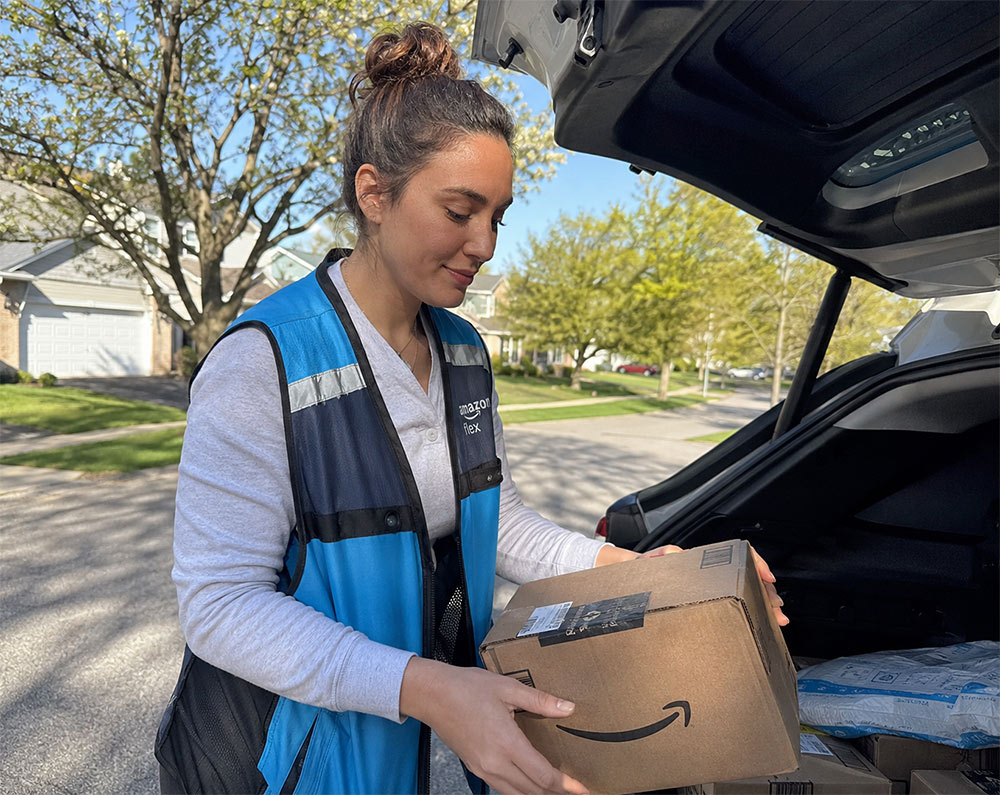
For most Flex drivers, your car is your biggest expense. You have two ways to claim this: the Standard Mileage Rate or Actual Expenses.
The Standard Mileage Method:
This is the simplest route. You just track every mile you drive for work and multiply it by the IRS rate. For the 2026 tax year, the rate is 72.5 cents per mile. This single number is designed to cover gas, insurance, repairs, and depreciation.
- Which miles count? You can deduct miles driven while actively delivering, including travel between delivery stops. Be careful, though, as your commute from home to the first station and back home at the end of the day is often considered non-deductible “commuting” unless you have a qualifying home office.
The Actual Expenses Method:
If you drive an older vehicle or have very high repair bills, you might prefer deducting the business portion of your actual costs. This includes:
- Gas and oil
- New tires and regular maintenance (like oil changes)
- Car insurance and registration fees
- Lease payments or depreciation
Tip: You generally cannot switch back and forth between these methods easily, and you cannot use both at the same time. If you use the standard mileage rate, you can’t separately deduct gas or repairs because they are already baked into that per-mile rate.
2. On-the-Road Costs: Tolls & Parking
Even if you use the standard mileage rate, you can still deduct business-related tolls and parking fees. If a bridge toll or a downtown parking meter was necessary to get a package to a customer’s door, it’s a write-off.
Just remember: parking tickets and speeding fines are never deductible; unfortunately, those are on you!
3. Your Smartphone & Tech

You can’t do this job without the Amazon Flex app, making your phone a vital business tool. You can deduct the business-use percentage of your monthly phone bill. If you use your phone for work 30% of the time, you can write off 30% of the bill.
Other deductible tech includes:
- Accessories: Phone mounts, car chargers, and power banks used for your delivery blocks.
- Software: Subscriptions for mileage-tracking apps, bookkeeping software, or route planners.
4. Delivery Gear & Safety Equipment
Staying organized and safe is part of the job. You can write off items purchased specifically for your Flex work, such as:
- Storage: Insulated bags, plastic bins, folding wagons, or hand trucks to haul heavy packages.
- Safety: Reflective vests, flashlights, ice cleats, and first-aid kits.
- Dash Cams: These are great for documenting incidents on the road and are generally deductible based on your business-use percentage.
Note on Clothing: You generally cannot deduct “normal” clothes like sneakers or winter jackets, even if you only wear them to work. Only specialized safety gear (like a reflective vest) typically counts.
5. Professional & Administrative Costs
Since you’re running a business, those “office” costs add up:
- Tax Prep Fees: You can often deduct the portion of tax preparation fees related to your business (like filing a Schedule C).
- Health Insurance: If you’re self-employed and show a profit, you may be able to deduct your health, dental, and vision insurance premiums.
- Home Office: If you have a dedicated space used exclusively for managing your delivery business (scheduling blocks, bookkeeping), you may qualify for a home office deduction.
The Key to Stress-Free Amazon Flex Taxes: Keep Records!

A deduction is only helpful if you can prove it to the IRS. Don’t wait until April to try and remember a parking fee from July!
- Keep a mileage log: Use an app or a written notebook to record every business trip.
- Save your receipts: Digital copies (photos or scans) are your best friend.
- Track business meals: If you meet with another driver to “talk shop” or learn tips, you can often write off 50% of that business meal.
By tracking these deductions throughout the year, you’ll be ready to hit “submit” on your tax return with confidence, and a much smaller tax bill. Happy driving!
Tax FAQs for Amazon Flex Drivers:
Amazon Flex drivers may be able to deduct business mileage, tolls, parking, phone expenses, delivery equipment, mileage-tracking apps, safety gear and the business portion of certain vehicle costs. The expense must be ordinary, necessary and related to delivery work.
Yes. Amazon Flex drivers may generally deduct eligible business miles using the IRS standard mileage rate or claim the business portion of actual vehicle expenses. You usually cannot use both methods for the same vehicle costs.
You may deduct the business portion of gas when using the actual-expense method. You generally cannot deduct gas separately when claiming the standard mileage rate because fuel is already included in that rate.
Business-related tolls and parking fees may generally be deducted, even when you use the standard mileage method. Commuting costs, traffic tickets and parking fines are not normally deductible.
Amazon generally does not withhold income or self-employment taxes from Flex earnings. Drivers are usually treated as independent contractors and are responsible for tracking income, expenses and estimated tax payments.
You may generally deduct the business-use portion of your phone bill. For example, if 30% of your phone use relates to Amazon Flex, you may be able to deduct 30% of the eligible cost.
Car repairs may be deductible under the actual-expense method based on the vehicle’s business-use percentage. They generally cannot be deducted separately when using the standard mileage method.
Important: This guide provides general information. Because everyone’s tax situation is unique, it’s always a smart move to consult with a qualified tax professional.
Are you an Amazon Flex driver? If so, let us know if we missed any good tax write-offs.Thanks for stopping by Nifty Taxes!